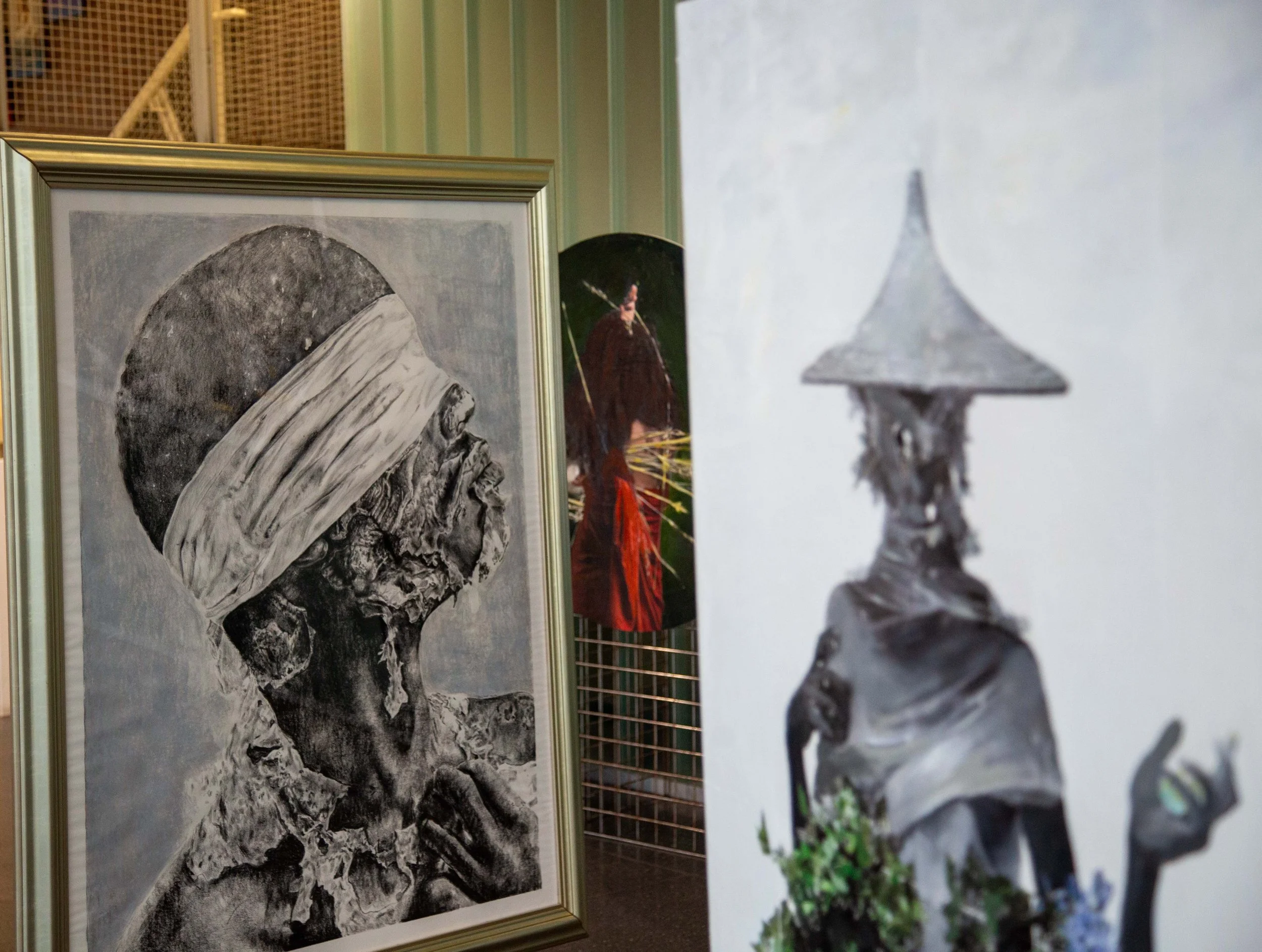
Current Exhibit
What History Leaves in Us
On view September 1- 30, 2026
YMCA of Metropolitan Detroit
1401 Broadway St #3a, Detroit, MI 48226
ABOUT THE EXHIBIT
For Ackeem Salmon, history is never confined to the past. It remains present in our bodies, rituals, landscapes, institutions, and ways of remembering. What History Leaves in Us brings together works created between 2013 and 2025, tracing how Salmon’s understanding of history, identity, and place has developed across drawing, photography, and mixed media.
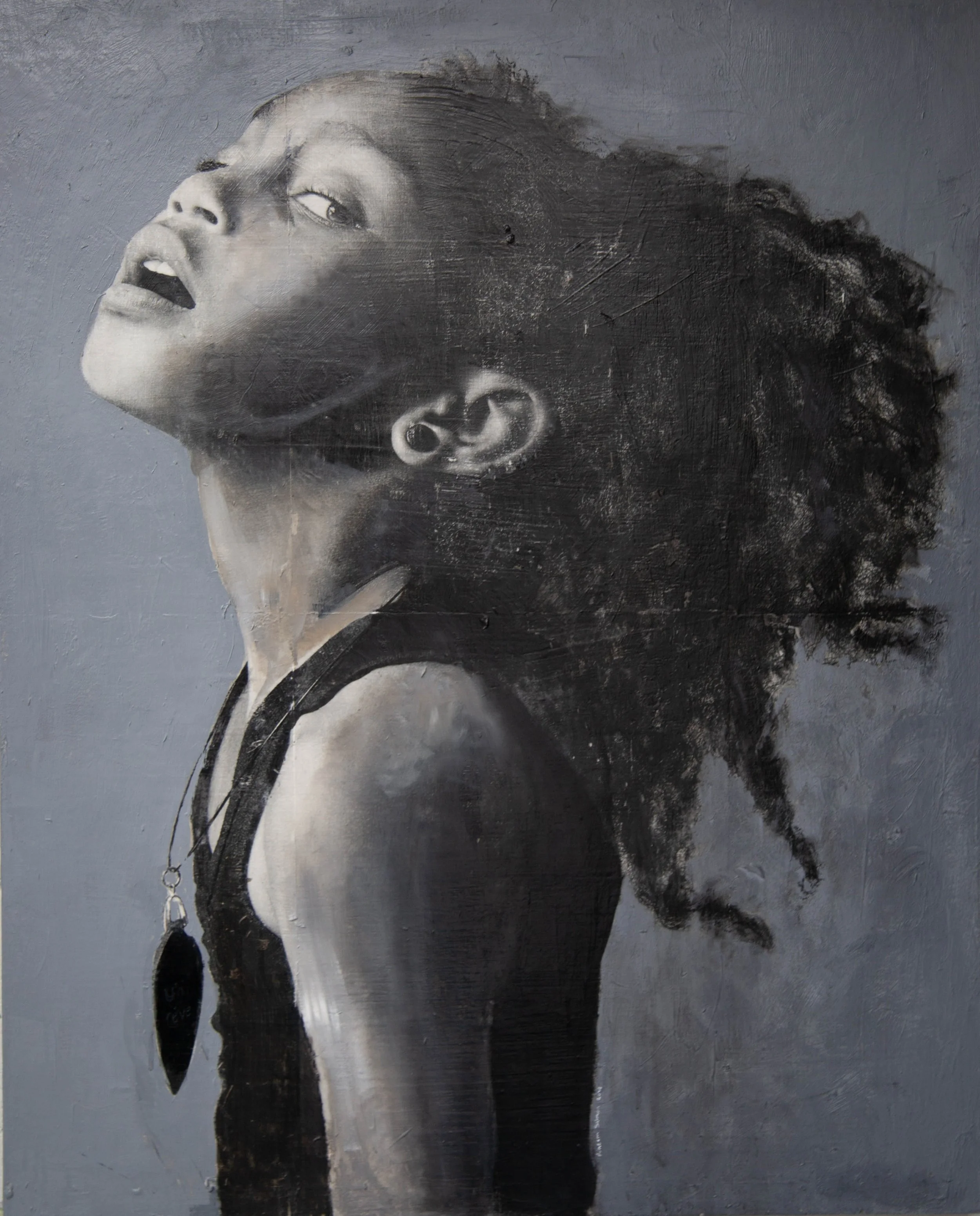
In Dance of Freedom, Salmon looks toward the history of Junkanoo in Jamaica as a living expression of resistance, celebration, and collective freedom. In the Silence of Ruins We Speak responds to periods of political and social instability, considering ruin and silence not as absence, but as places where memory and testimony persist.
Salmon’s migration from Jamaica to Detroit at age sixteen also shapes the exhibition. Leaving home transformed childhood into something remembered across distance—revisited, reconstructed, and sometimes questioned. Over the twelve years that followed, Detroit became the landscape of his foundational adulthood, artistic formation, and civic life. Through layered photographs, drawings, and materials, Jamaica and Detroit are allowed to occupy the same surface, revealing how one place continues to live within another.
These works ask viewers to consider history not only as something we study, but as something we inherit and participate in creating. Which histories remain active in your life? What have you carried from the places that formed you—and what will you choose to transform?
Register for artist walkthrough dates below:
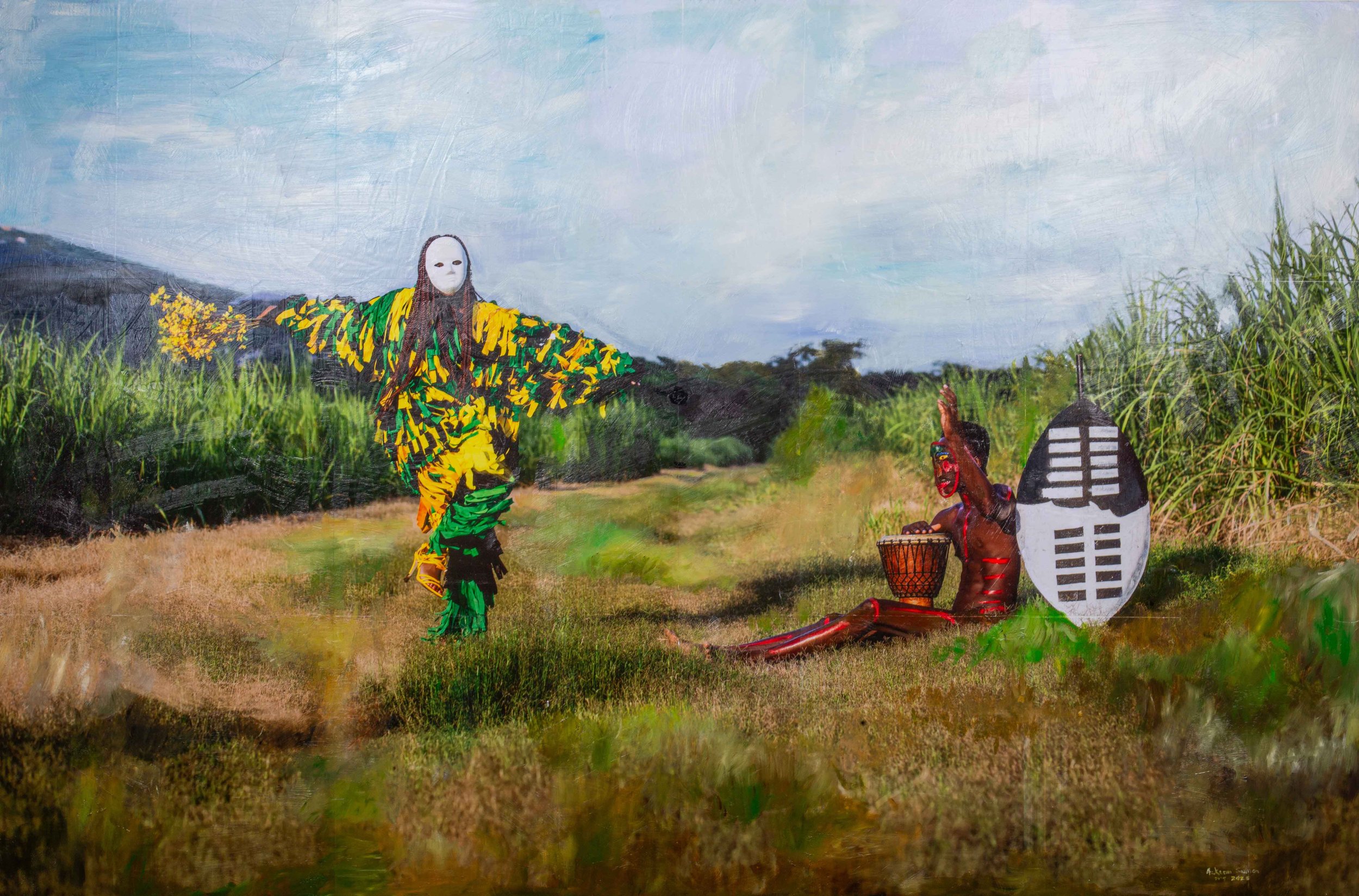
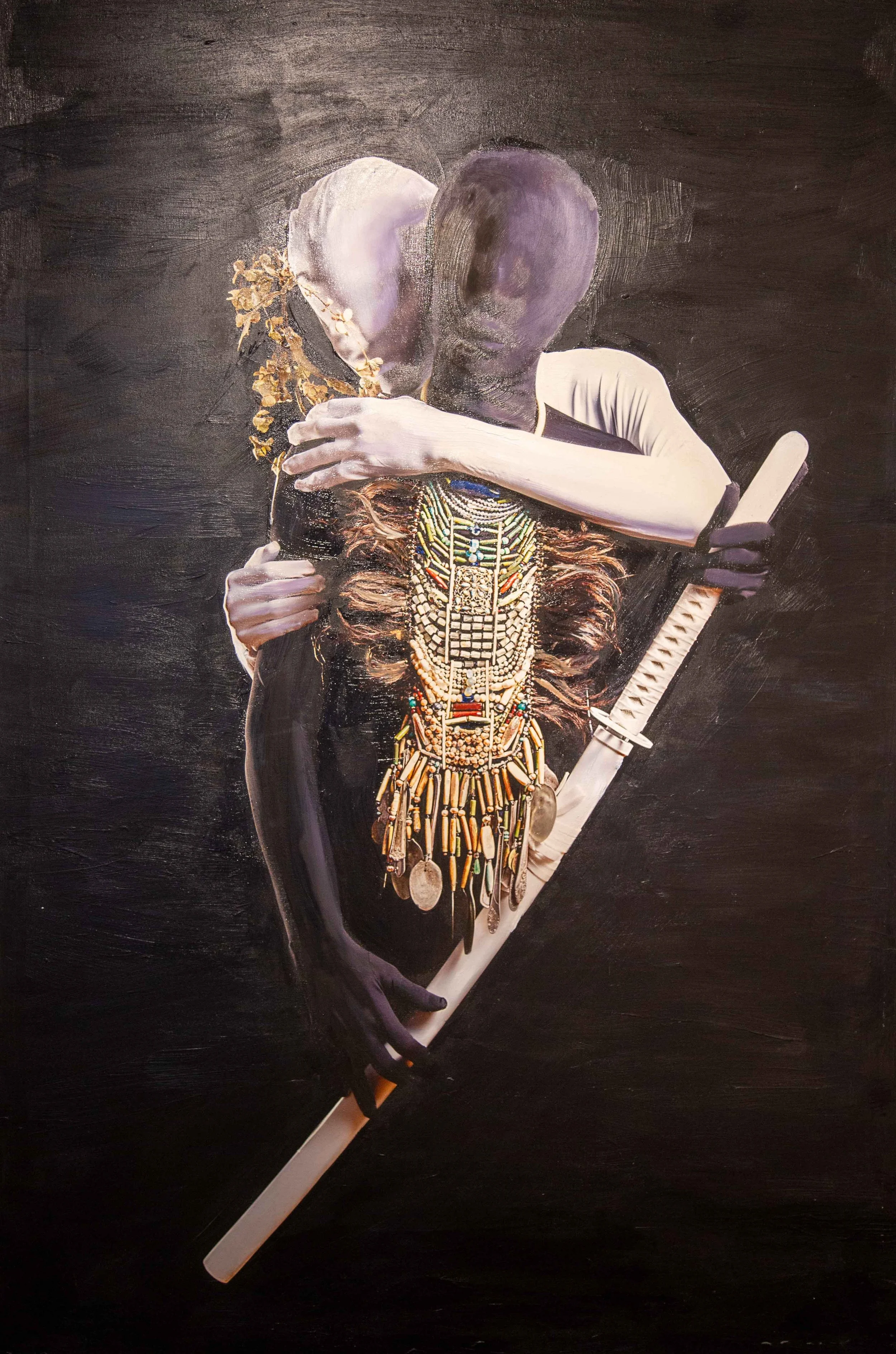
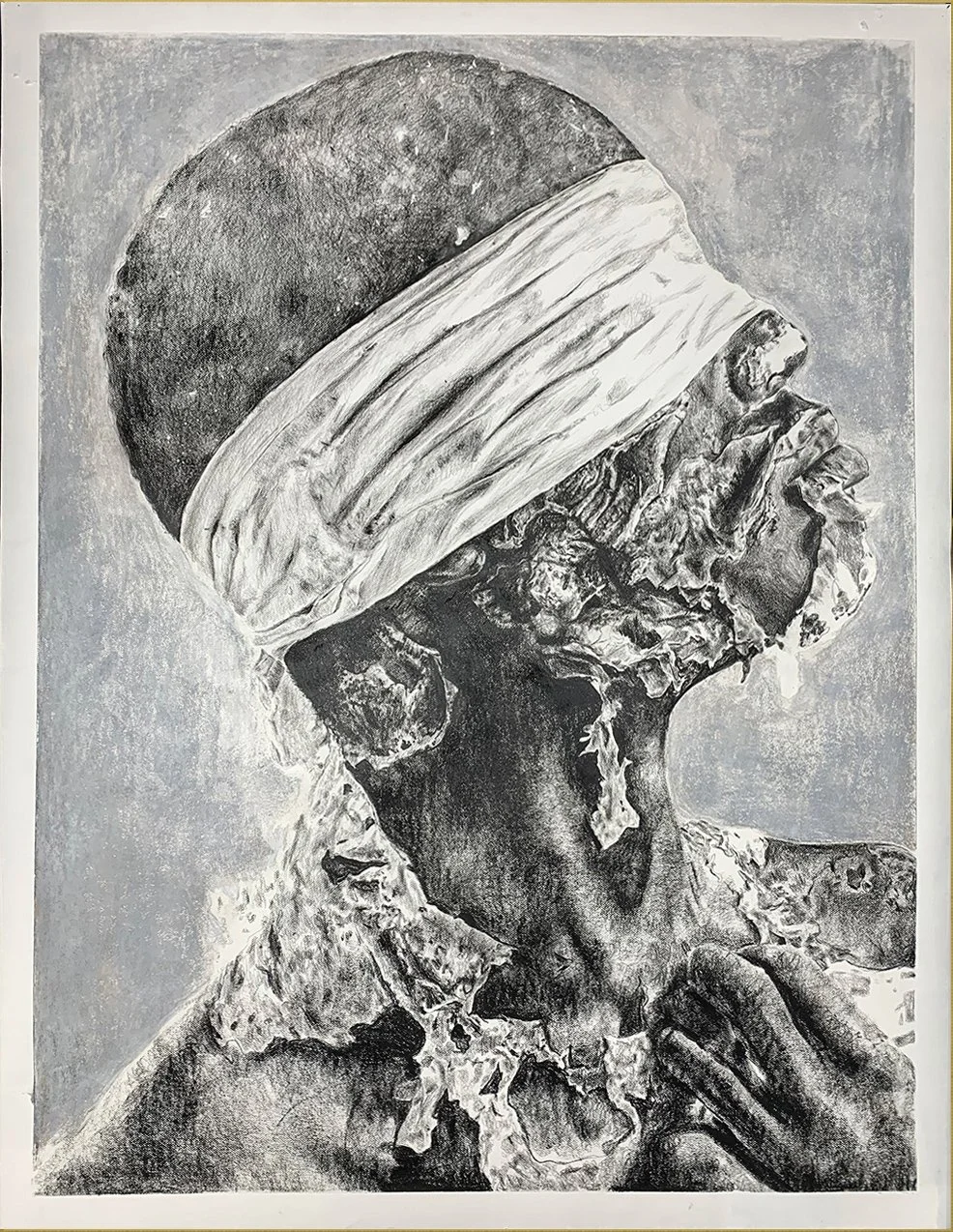
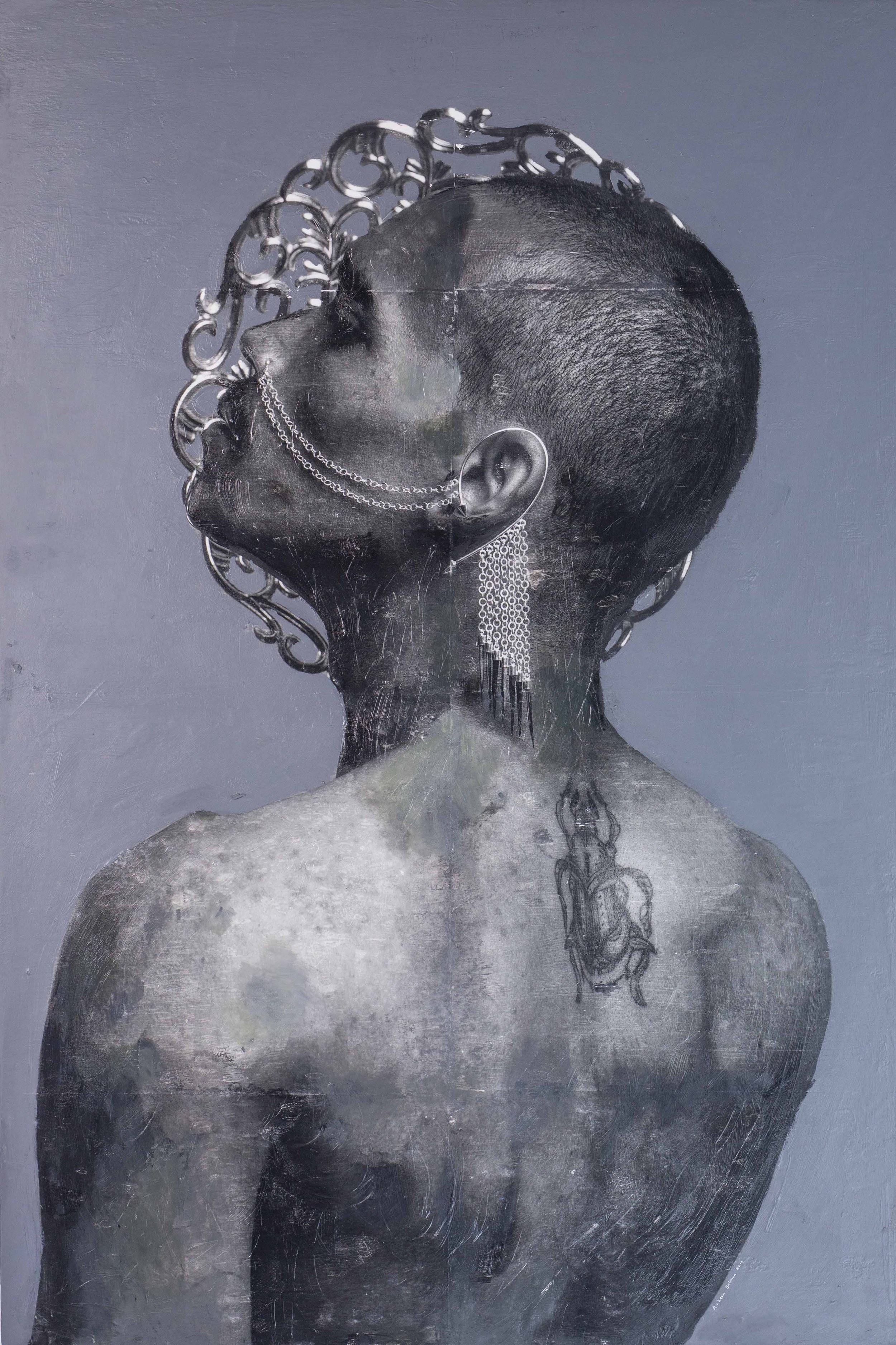
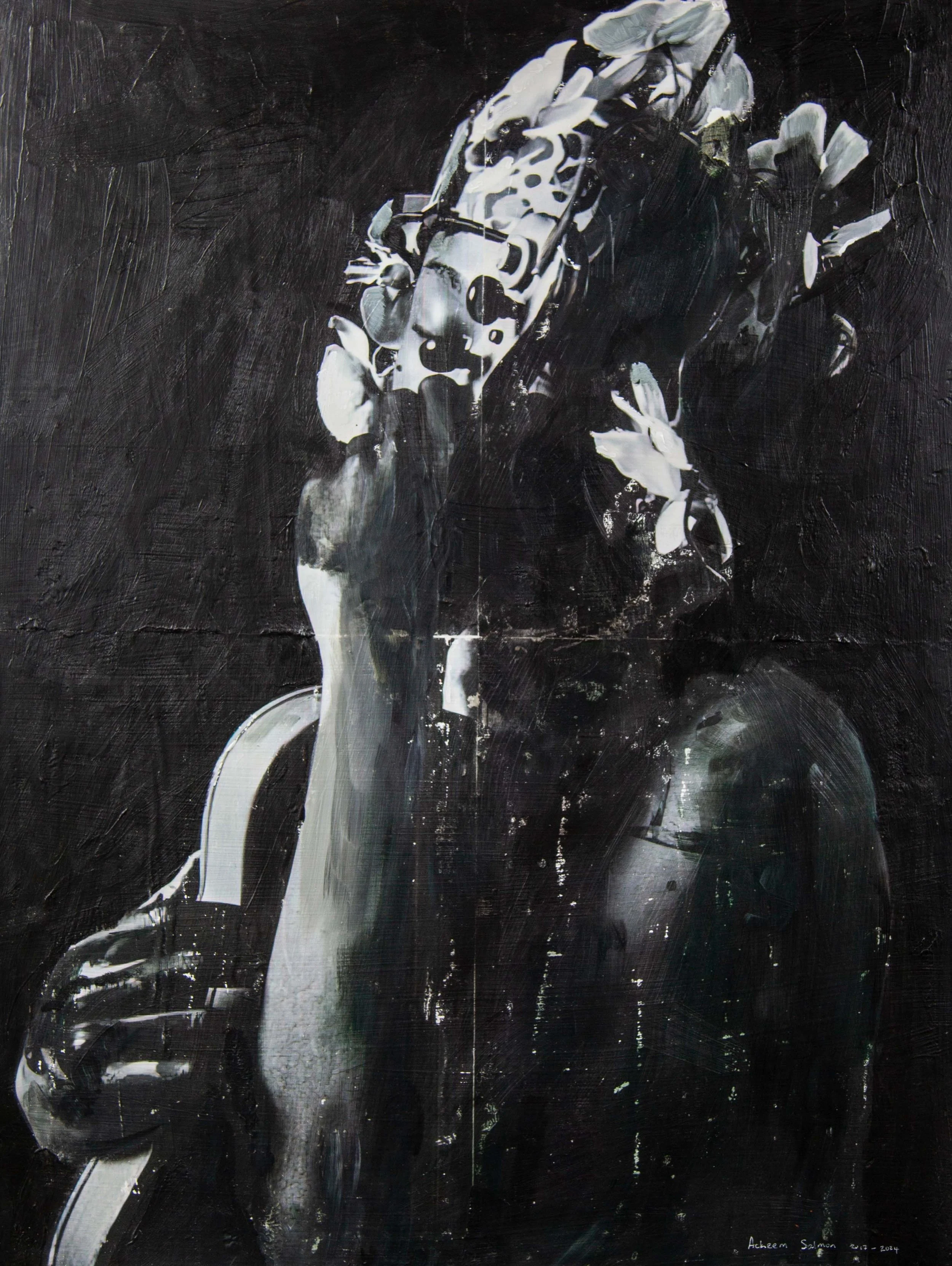
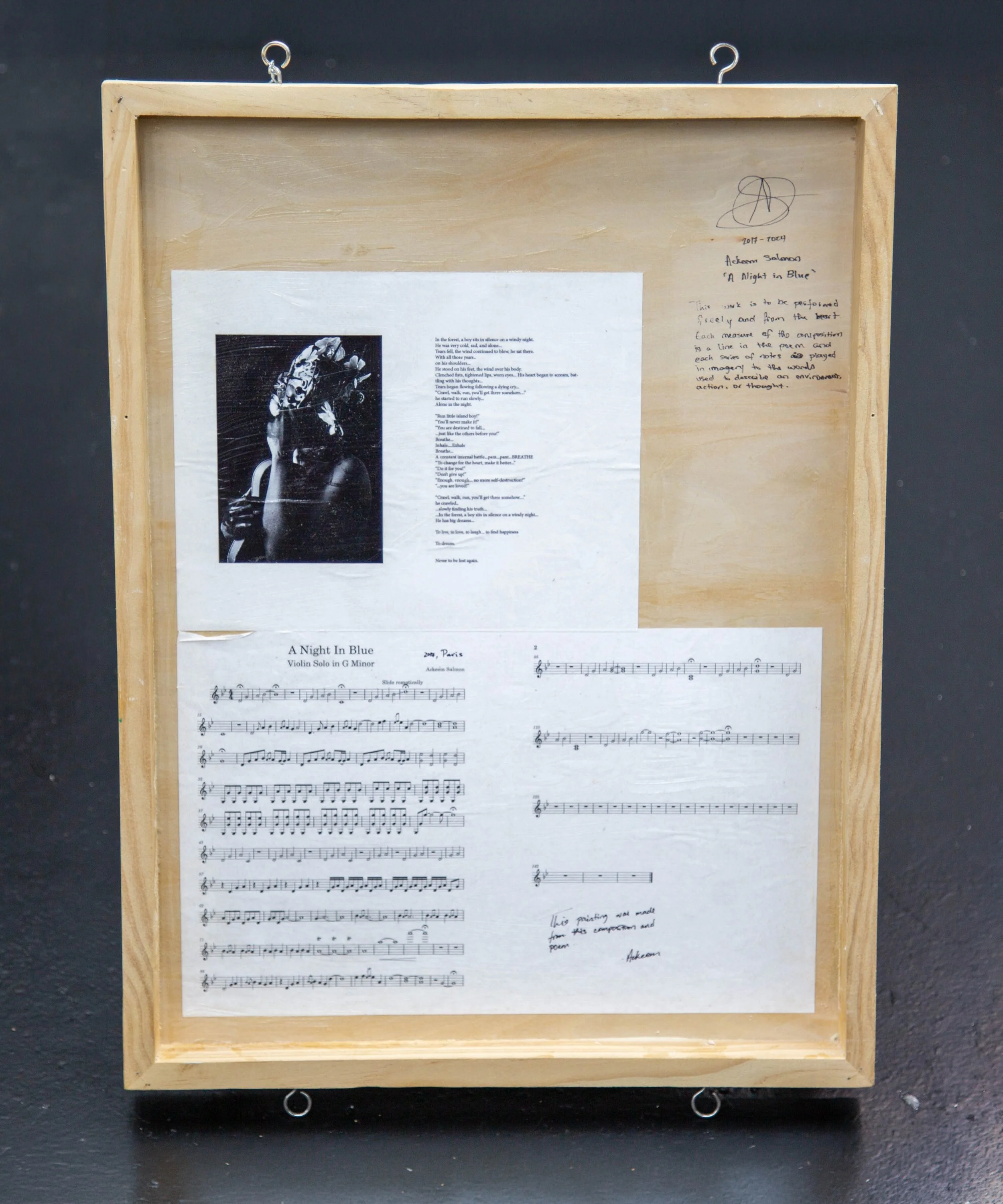
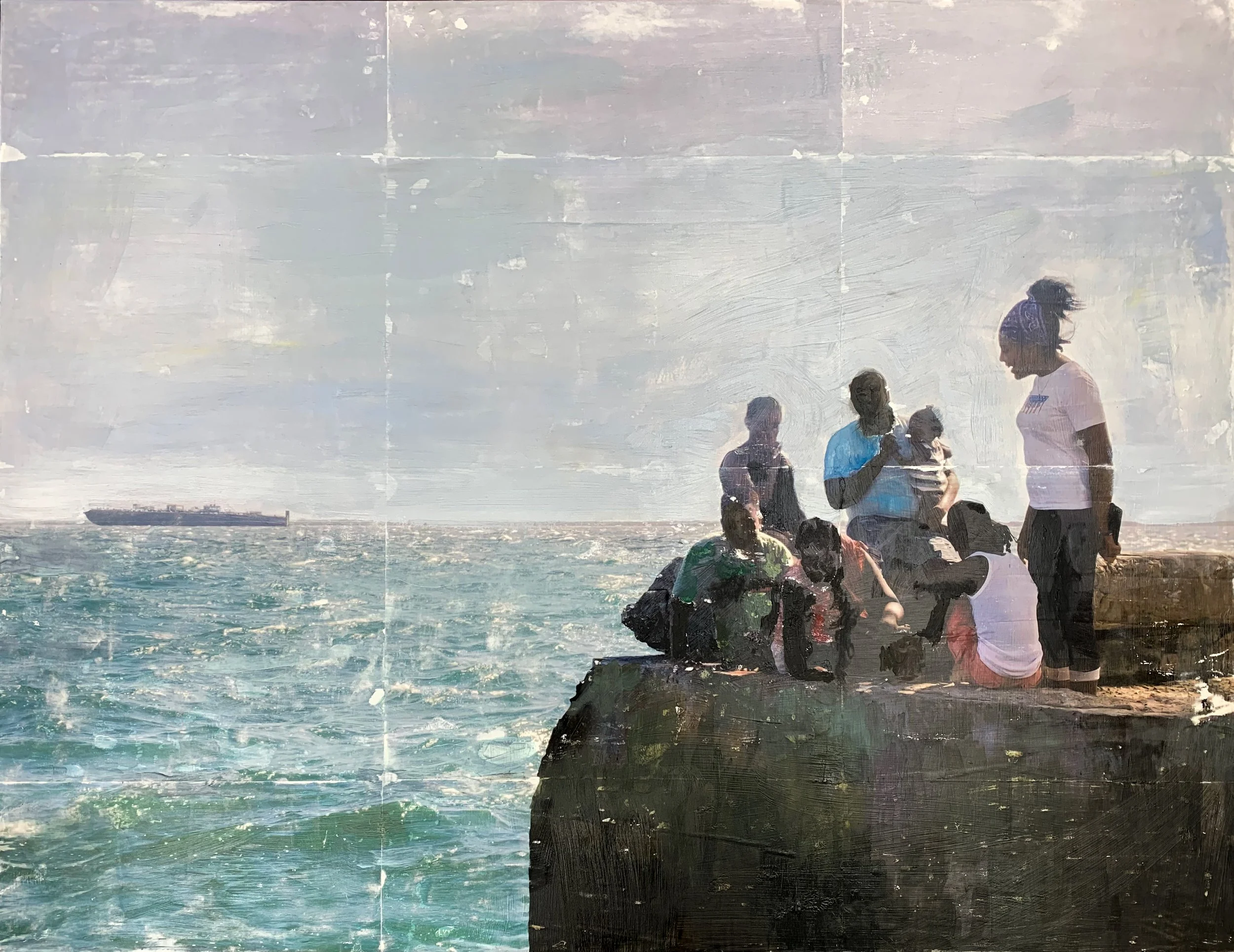
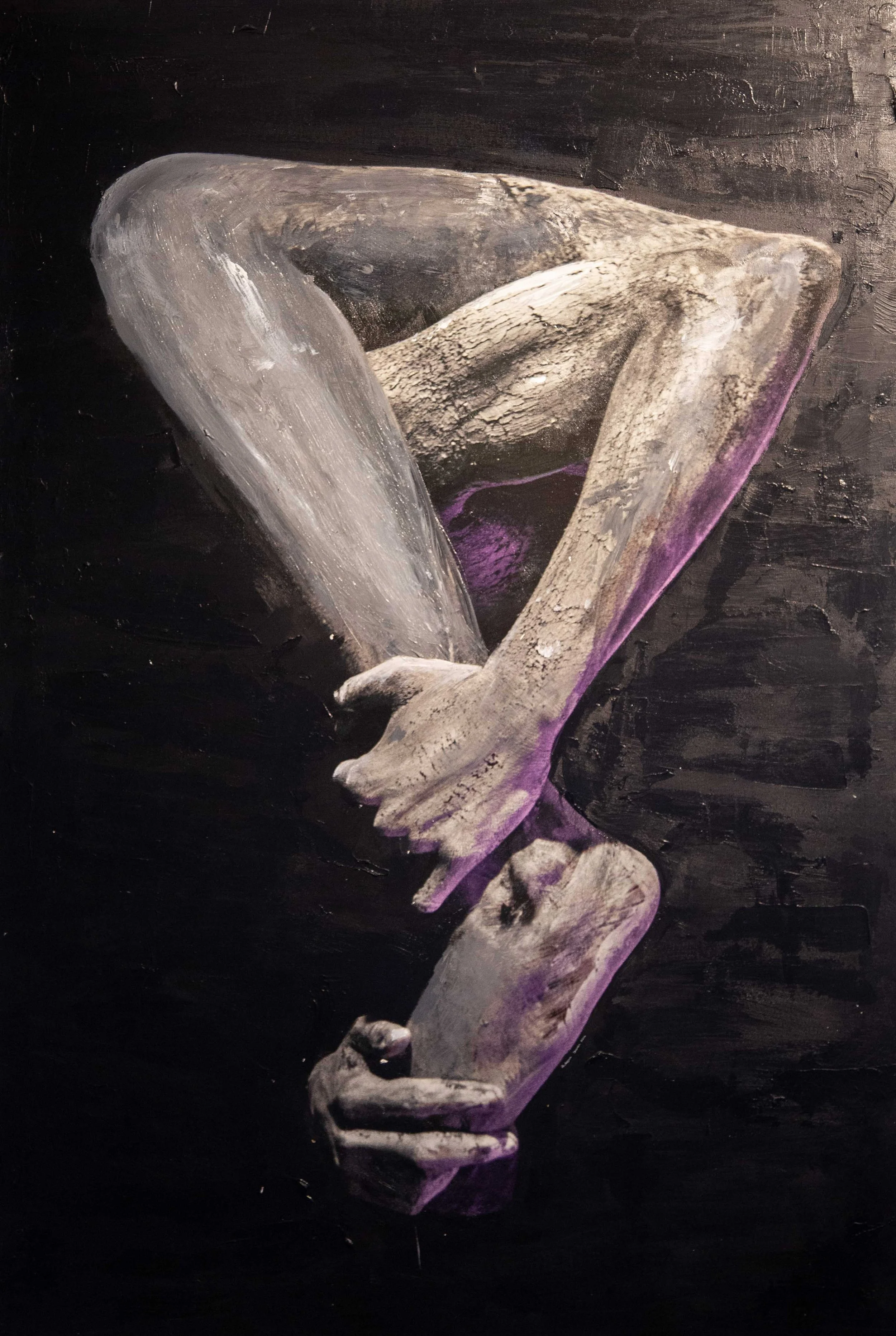

Dance of Freedom, 2019 - 2025
Audacity & Human Dignity
I grew up in Jamaica seeing Jonkonnu performers—the movement, masks, costumes, music, and procession occupying the landscape with extraordinary presence. As a child, I understood it primarily as celebration. As I grew older, I began to recognize something deeper: an embodied archive of survival, resistance, satire, and reclamation.
Emerging within a Jamaican landscape shaped by enslavement and colonial rule, Jonkonnu created a space in which the social order itself could be performed, exaggerated, and mocked. European dress, characters of authority, masks, and theatrical gestures became tools of satire. The people subjected to colonial power could momentarily reverse the gaze—observing, imitating, and making spectacle of those who ordinarily held power over them.


I think of this playfulness as a form of audacity. To exaggerate authority is also to diminish its certainty. To transform the body expected to labor into one that is decorated, theatrical, loud, humorous, and commanding is to insist upon an imagination beyond what has been prescribed for it. Play becomes not an escape from oppression, but a means of refusing its total authority over the self.
After migrating to Detroit, I began to recognize these questions within another landscape. While its histories are distinct from Jamaica's, Detroit carries its own histories of Black migration, industrial labor, segregation, resistance, and extraordinary cultural invention. Across both landscapes, I am interested in how Black communities transform places marked by restriction into spaces of expression, belonging, and self-definition.
Dance of Freedom considers freedom not as a fixed historical moment, but as something practiced and continually reclaimed—through movement, humor, beauty, imagination, and the audacity to occupy space on one's own terms.
What I once understood simply as celebration, I now understand as an archive held in gesture, rhythm, costume, landscape, and the body. To dance is not an escape from history, but a way of moving through it—and insisting upon one's humanity within it.
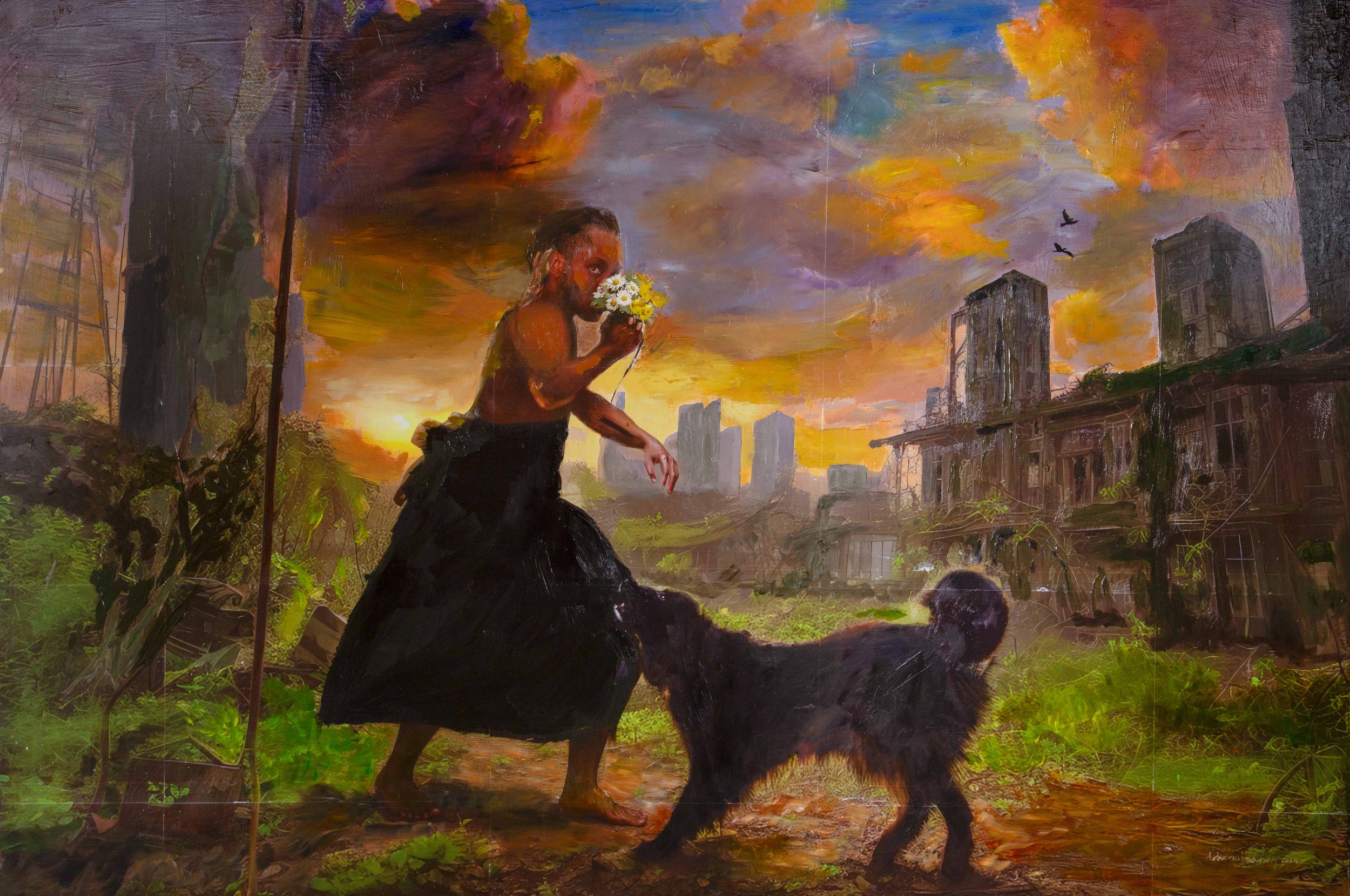
In The Silence of Ruins We Speak, 2025
Adaptation, and the Persistence of Hope
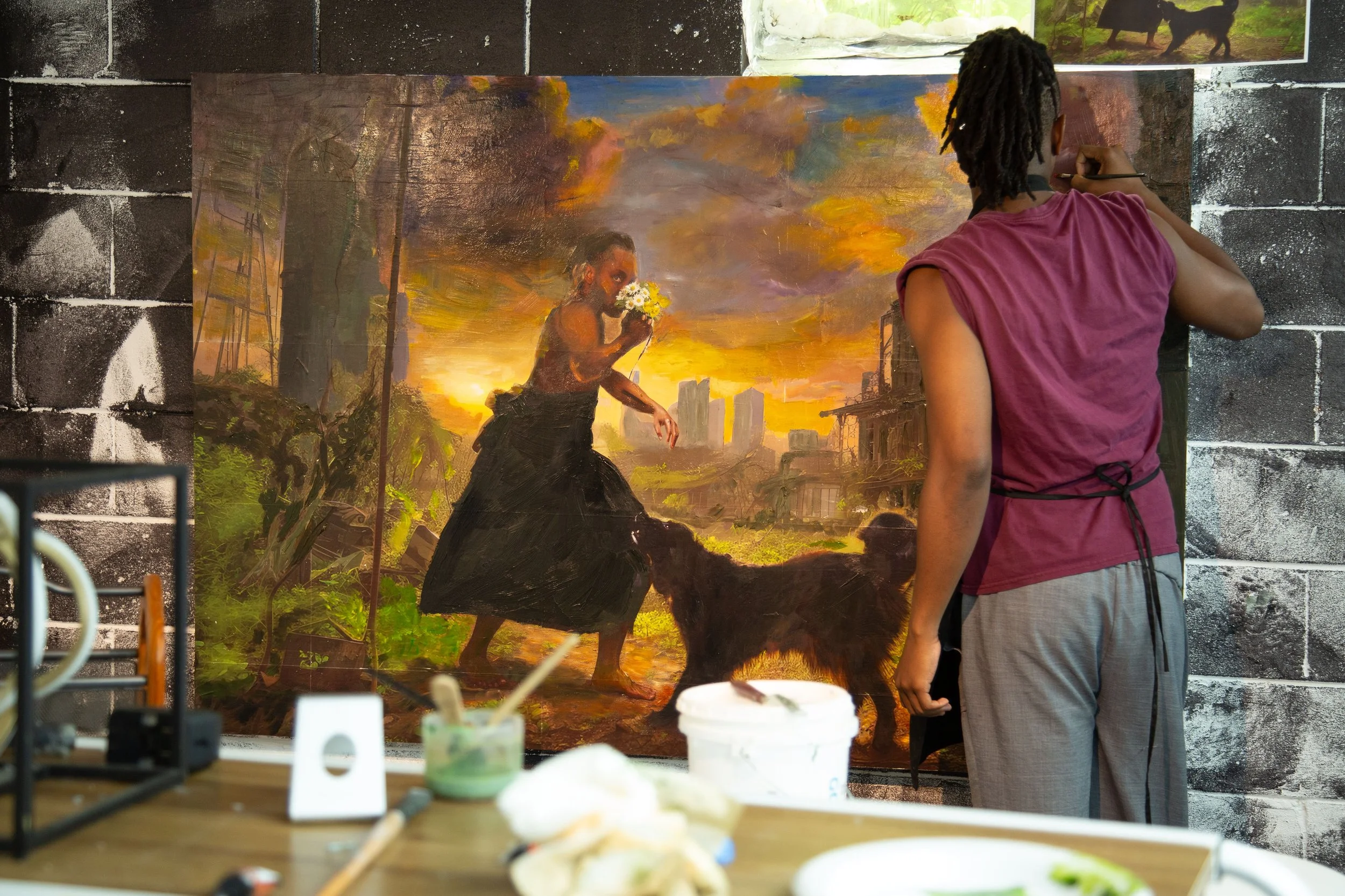
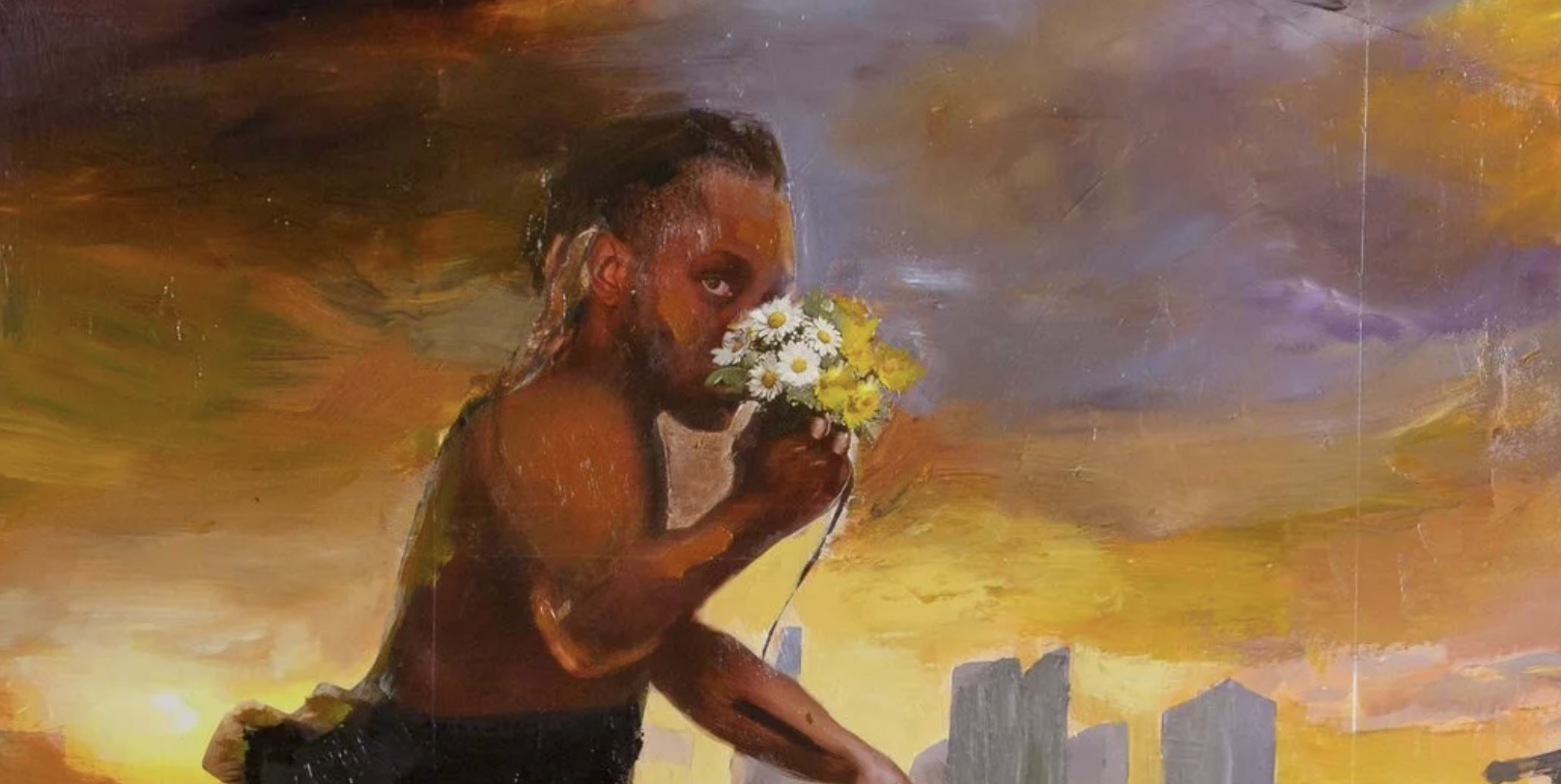
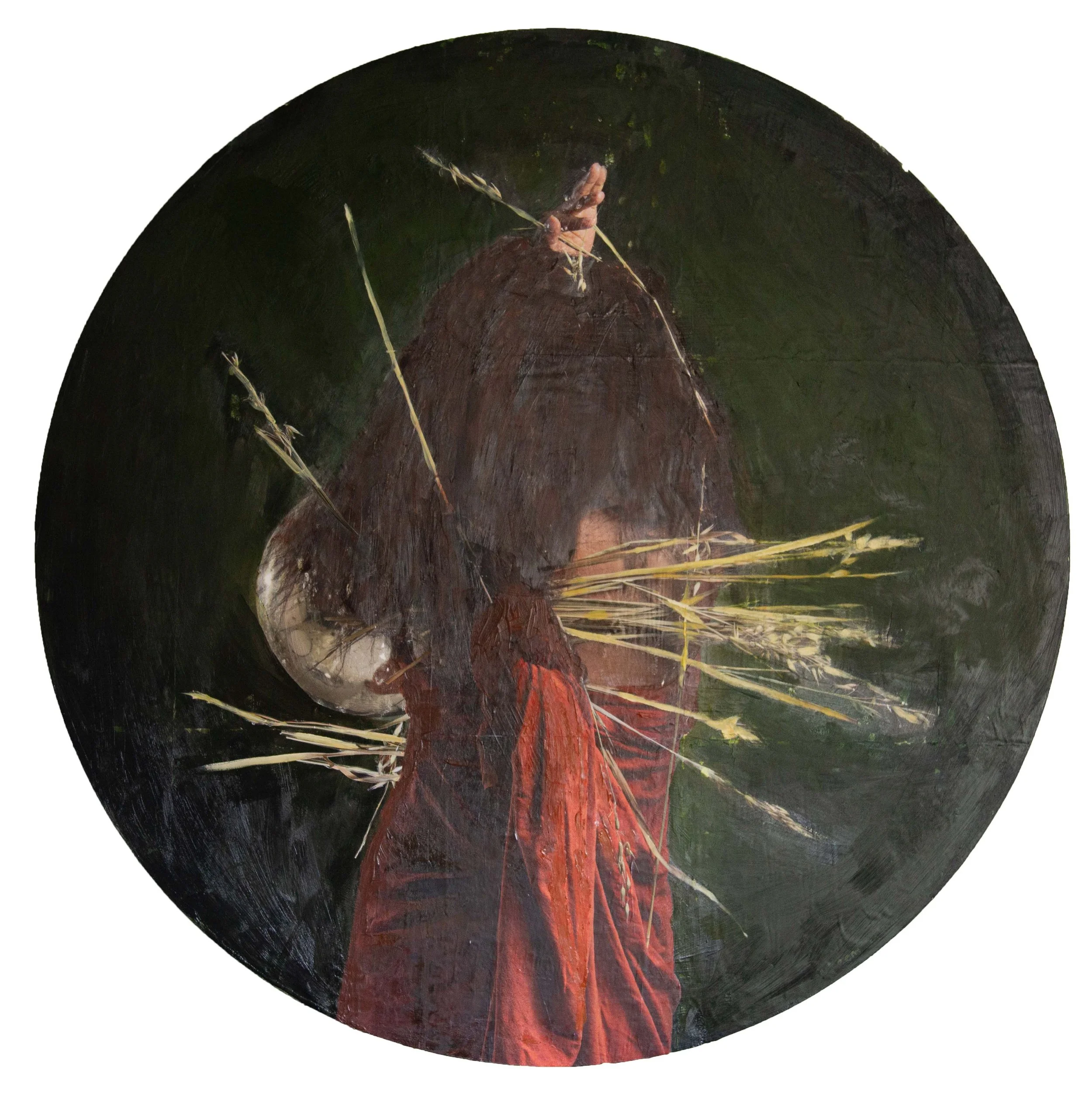
Created in response to a moment of political uncertainty, In the Silence of Ruins We Speak considers the fragility of the systems we construct around ourselves—the cities, borders, institutions, economies, and social orders we often mistake for permanence.
Following Dance of Freedom, the work expands my understanding of reclamation from the body to the landscape. If one asks how dignity can be reclaimed within systems of control, this work asks what remains when those systems themselves begin to fracture.
I place myself within the landscape through self-portraiture, not as someone observing the ruins from a distance, but as someone who must also live within their consequences. Yet I am not depicted in despair. I am barefoot, moving through the landscape, holding flowers—ones brought toward my face. Their fragility is also their strength. They become small gestures of hope: evidence that beauty, tenderness, and new life remain possible even within uncertainty.
With my dog beside me, his presence makes the imagined landscape deeply personal. He represents companionship, familiarity, and the ordinary relationships that continue even when the larger structures around us become unstable. In a scene concerned with the scale of cities, politics, and ecological consequence, our relationship returns the work to something intimate: how we care for one another while moving through change.
Around us, vegetation begins to reclaim architecture. Nature does not recognize ruin in the same way we do; it adapts, enters, grows, and continues. The landscape becomes an archive of human consequence, but also a site of regeneration.
The work therefore does not ask only, What happens when everything we build falls? It also asks:
What do we choose to carry with us when it does?
For me, the answer is not power or permanence, but care, companionship, memory, beauty, and the capacity to adapt.
The ruins speak of what has passed.
The flower speaks of what may still become.
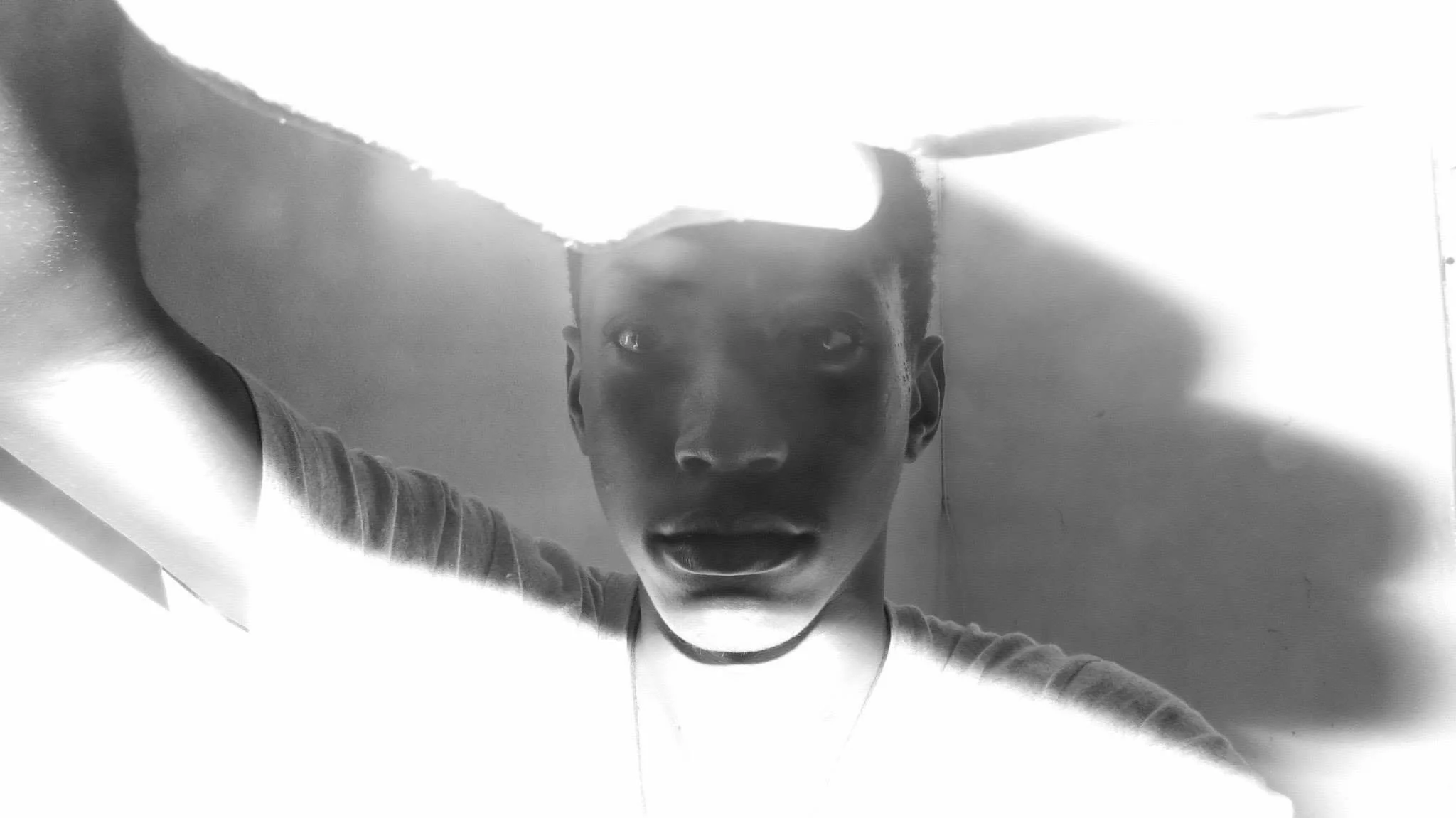
Ackeem at 15 in 2013
Personal Reflection
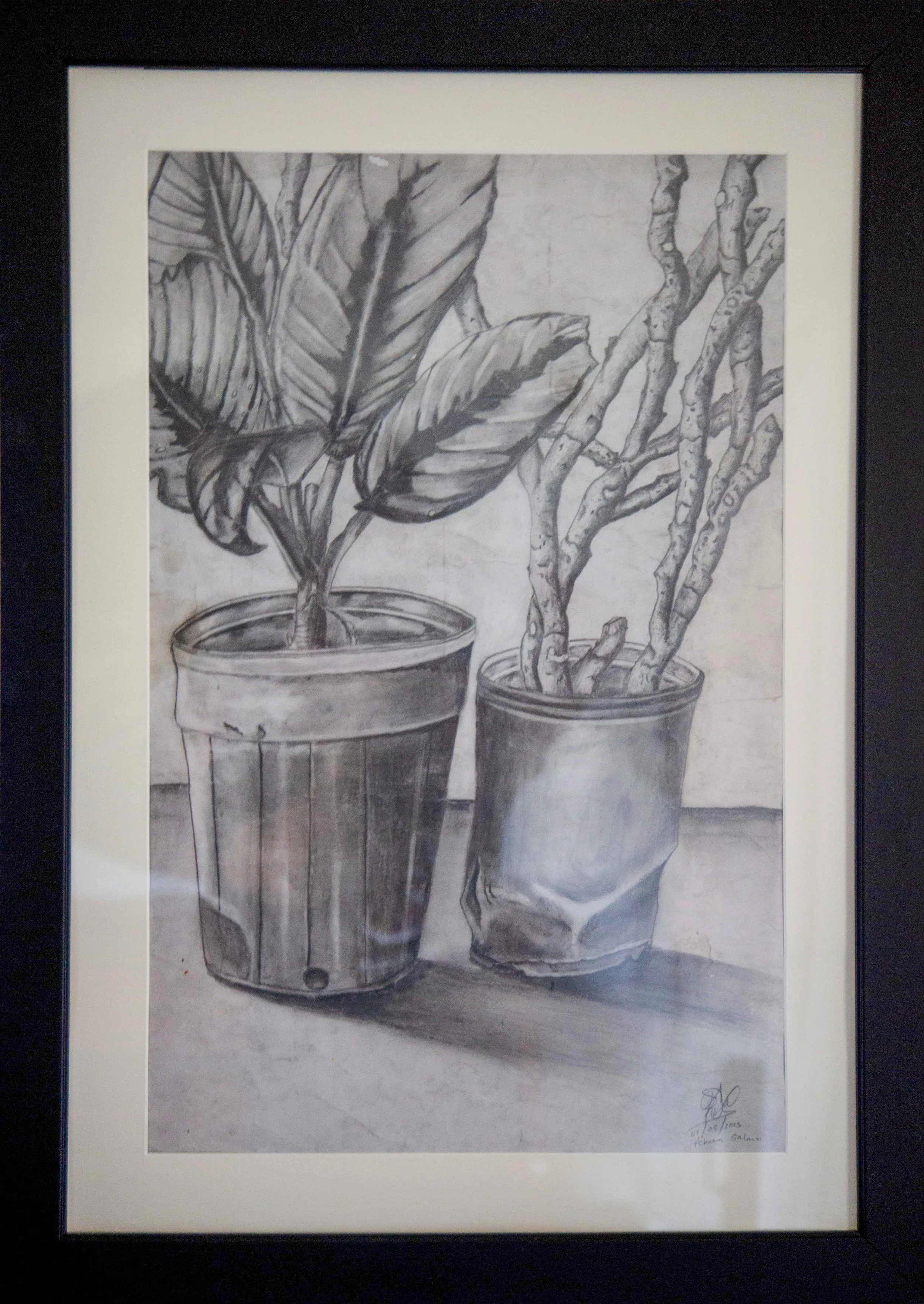
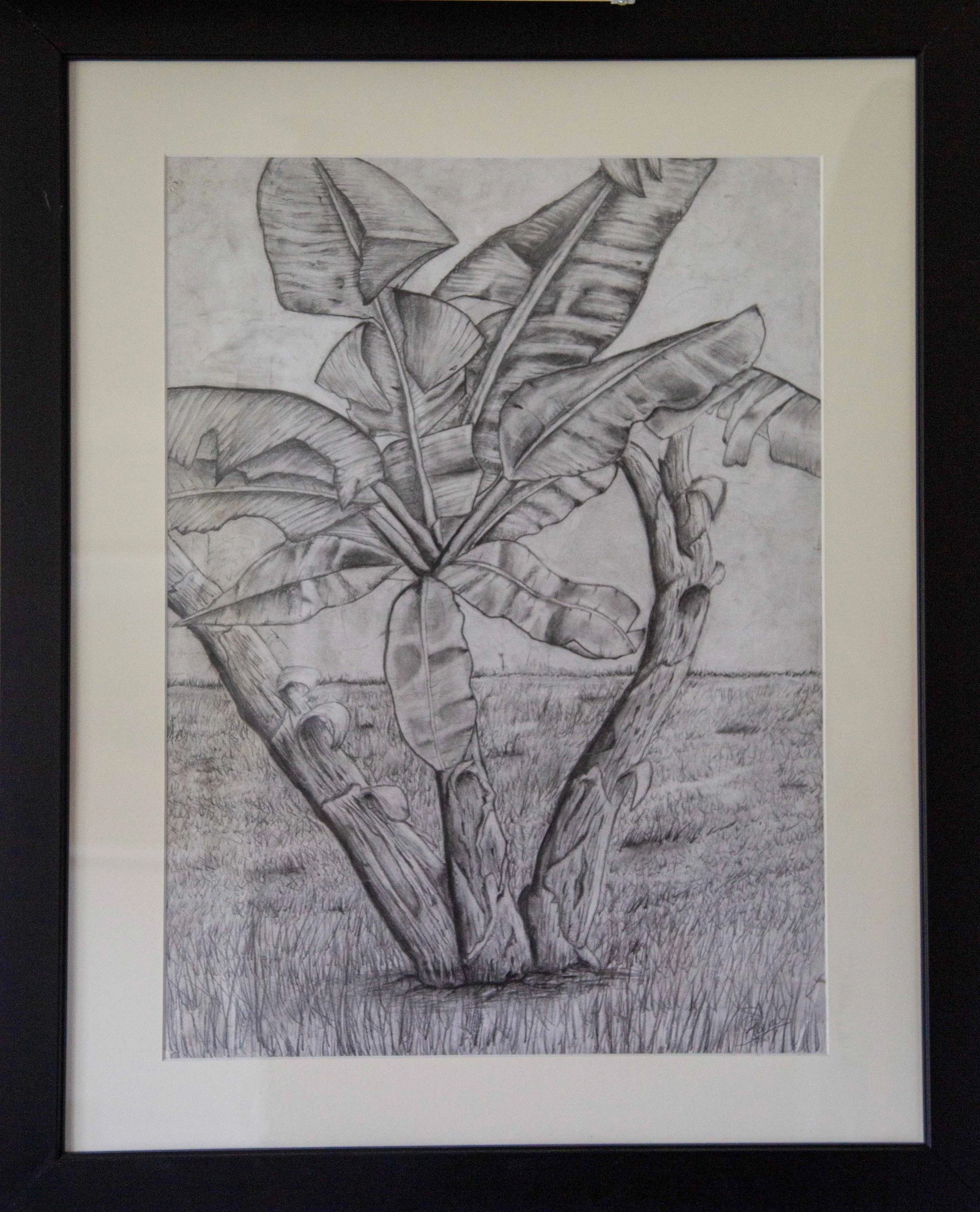
The exhibition begins with works I made at fifteen in Jamaica, including Living and the Dead and Banana Tree (2013). At the time, I was simply observing what surrounded me. In retrospect, these works became records of a landscape I would soon leave, and later come to understand differently through distance.
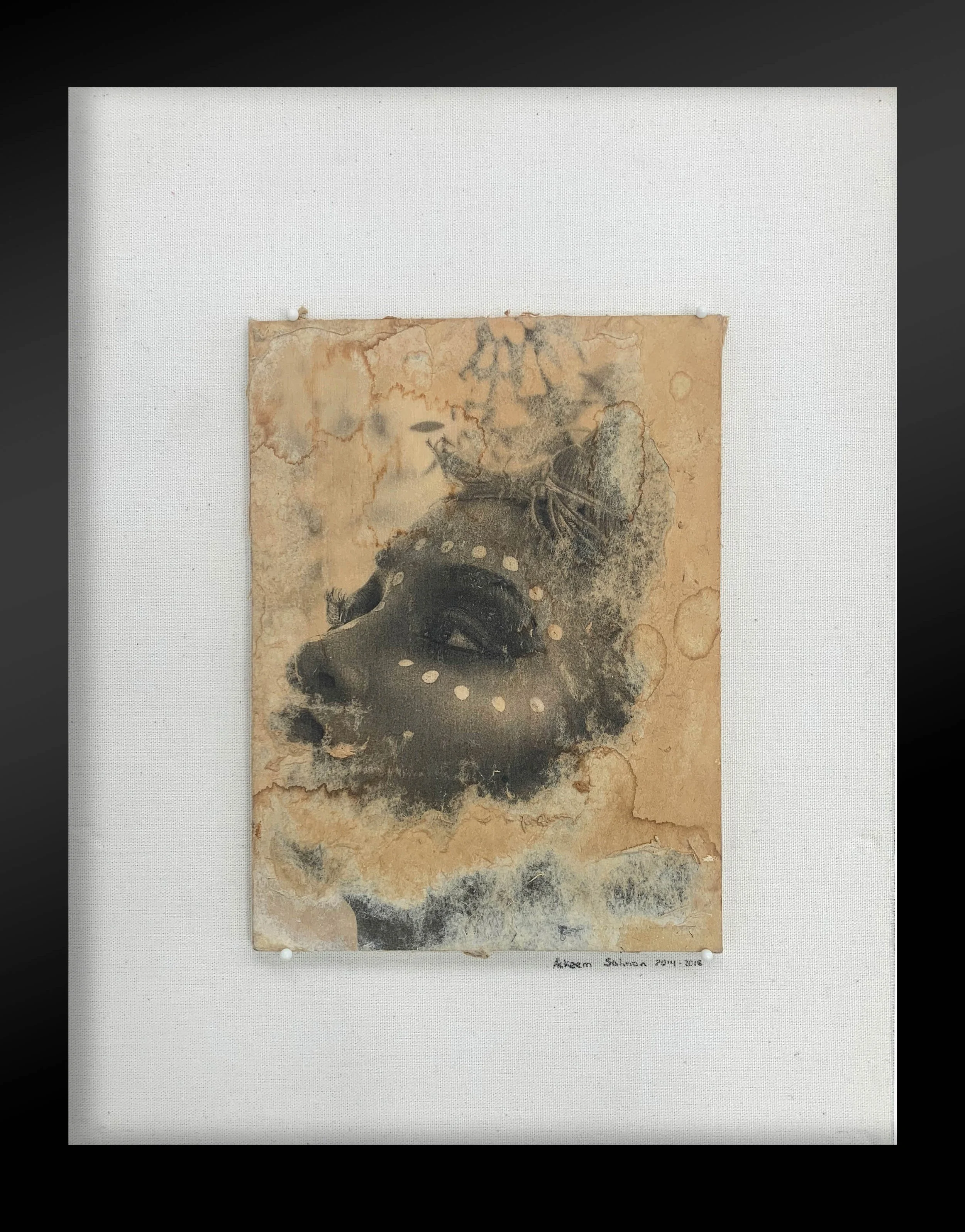
With Eyes of the Sea, begun in 2014, my attention shifted from place toward people. Photographing my peers opened questions of empathy, familiarity, and the African cultural inheritances present within Jamaican life.
Migration to Detroit transformed those questions. My accent, nationality, race, and cultural references—once ordinary and unspoken—became newly visible through the ways others perceived me. America became a mirror, forcing me to recognize both what I carried from Jamaica and how identity changes when placed within another historical landscape.
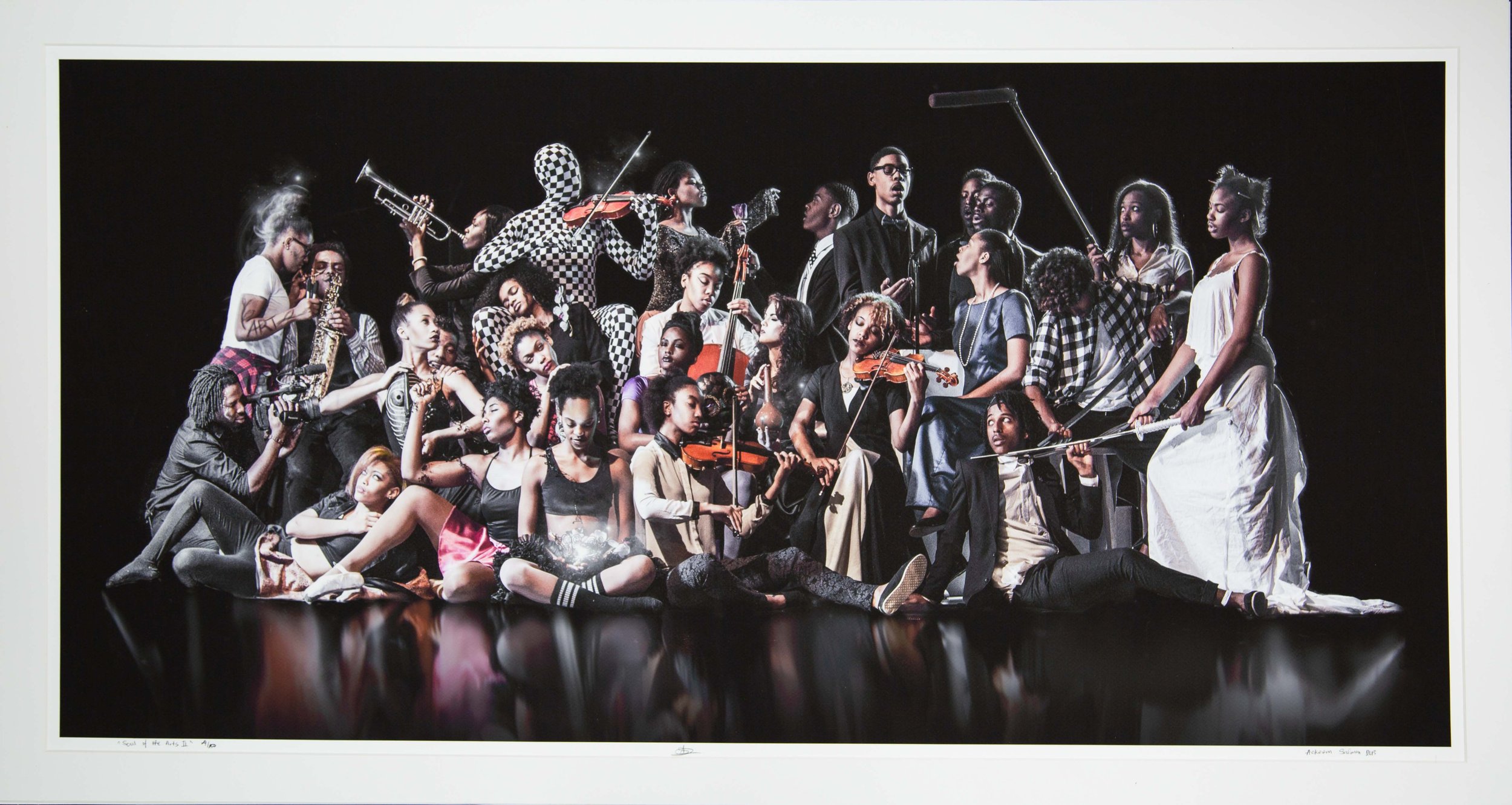
At the Detroit School of Arts, works such as Soul of the Arts II became a way of finding belonging through creation. I encountered young artists shaped by Detroit’s cultural inheritance who were actively imagining futures beyond the circumstances around us. Creativity became not only expression, but a way of constructing possibility.
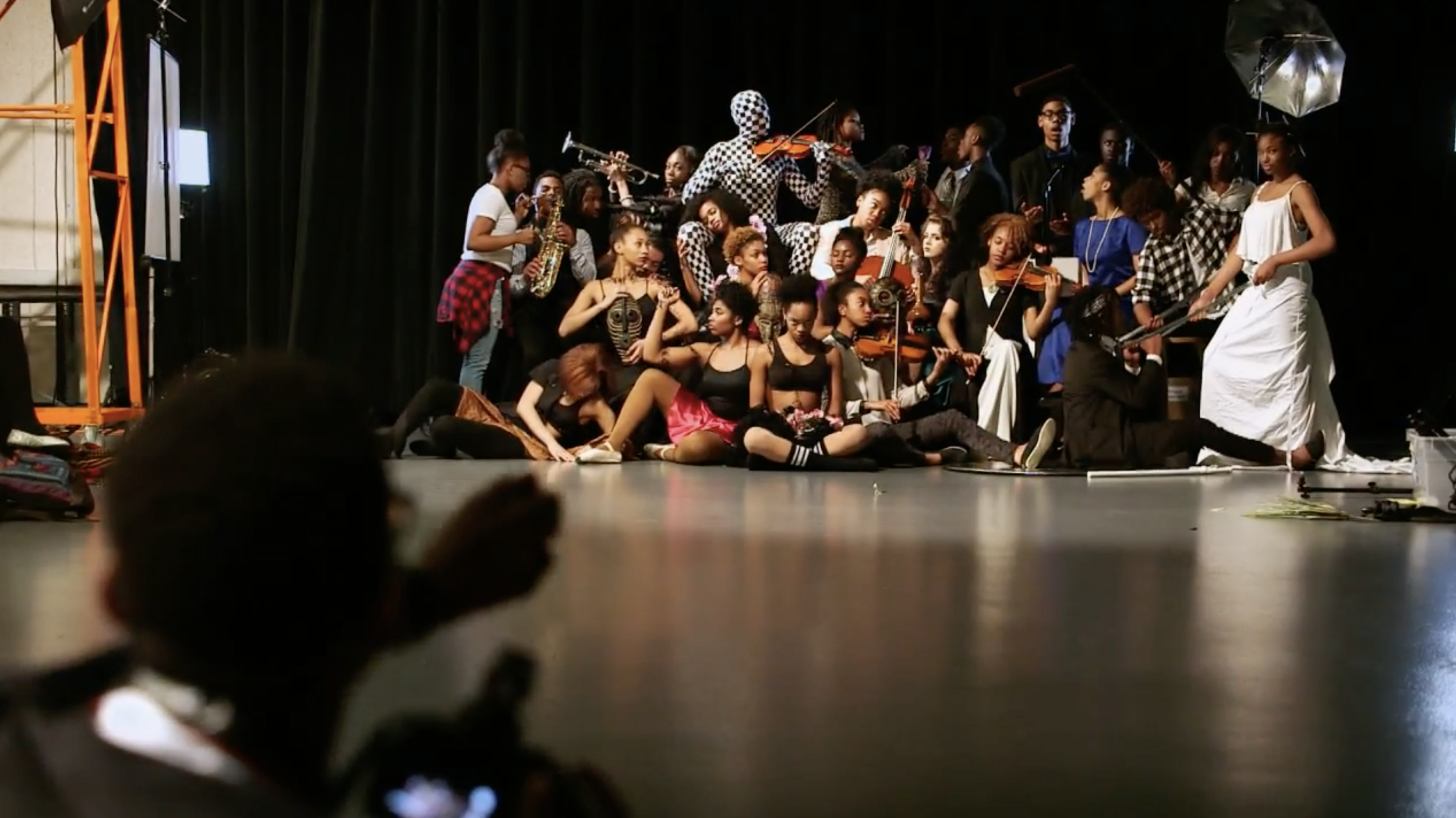
PBS Documentary of how Soul of the Arts II was made
From 2016 onward, the work became a deeper reckoning with the histories I was encountering in Detroit. Jamaica and the United States are shaped by distinct conditions, yet migration made their continuities and ruptures increasingly visible to me—enslavement and colonialism, emancipation and migration, segregation and resistance, labor and cultural invention. Detroit, in particular, opened a relationship to the histories of the Great Migration, African American civic and cultural life, and the conditions surrounding the 1967 uprising.
These encounters complicated any singular understanding of identity. I began to see the African diaspora not as one experience, but as a constellation of histories shaped by movement, place, memory, and circumstance.
Across the exhibition, history is not treated as something confined to the past. I am interested in what remains: what is carried through landscapes, families, institutions, rituals, gestures, and the body.
What History Leaves in Us traces a movement from observation to recognition, and from recognition to reclamation. Jamaica and Detroit exist not as separate chapters, but as overlapping landscapes within my understanding of self.
Reclamation, then, is not a return to an untouched past. It is the act of looking again—recognizing what history has placed within us, questioning what we inherit, and deciding what we will carry forward.
Please share your thoughts on the exhibition or send me any additional questions or inquiries here.